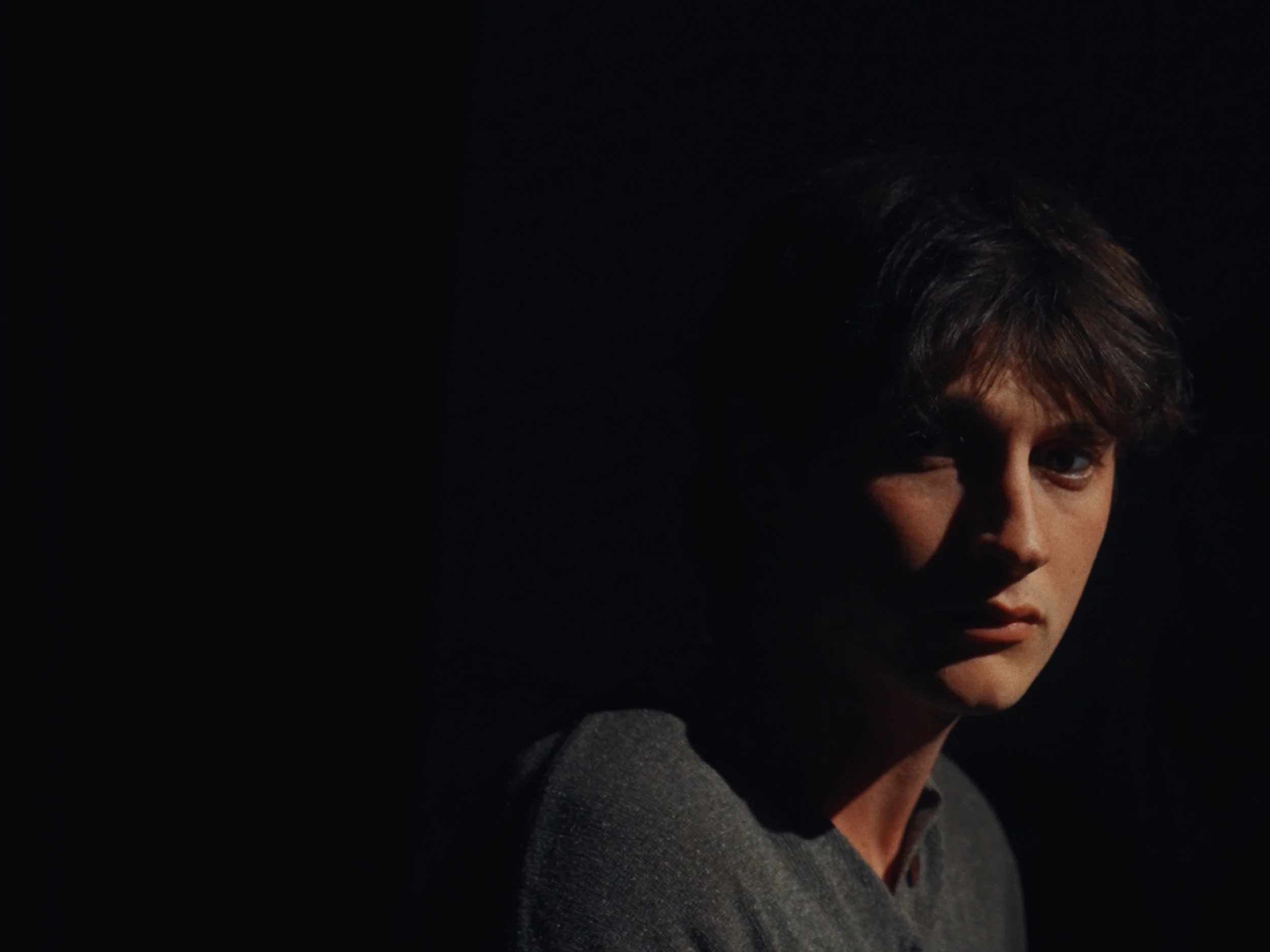
YONAH
Once a vehicle for rebelling against a strict Orthodox upbringing, YONAH’s music has shifted toward reconciliation on his debut album, “Bird of Miracles.” The project serves as a tribute to the father he lost as an infant, navigating the void to find the perspective to "bless the past.”
Soon after the album’s release, YONAH spoke about his transition from youthful animosity to a mature acceptance of his heritage.
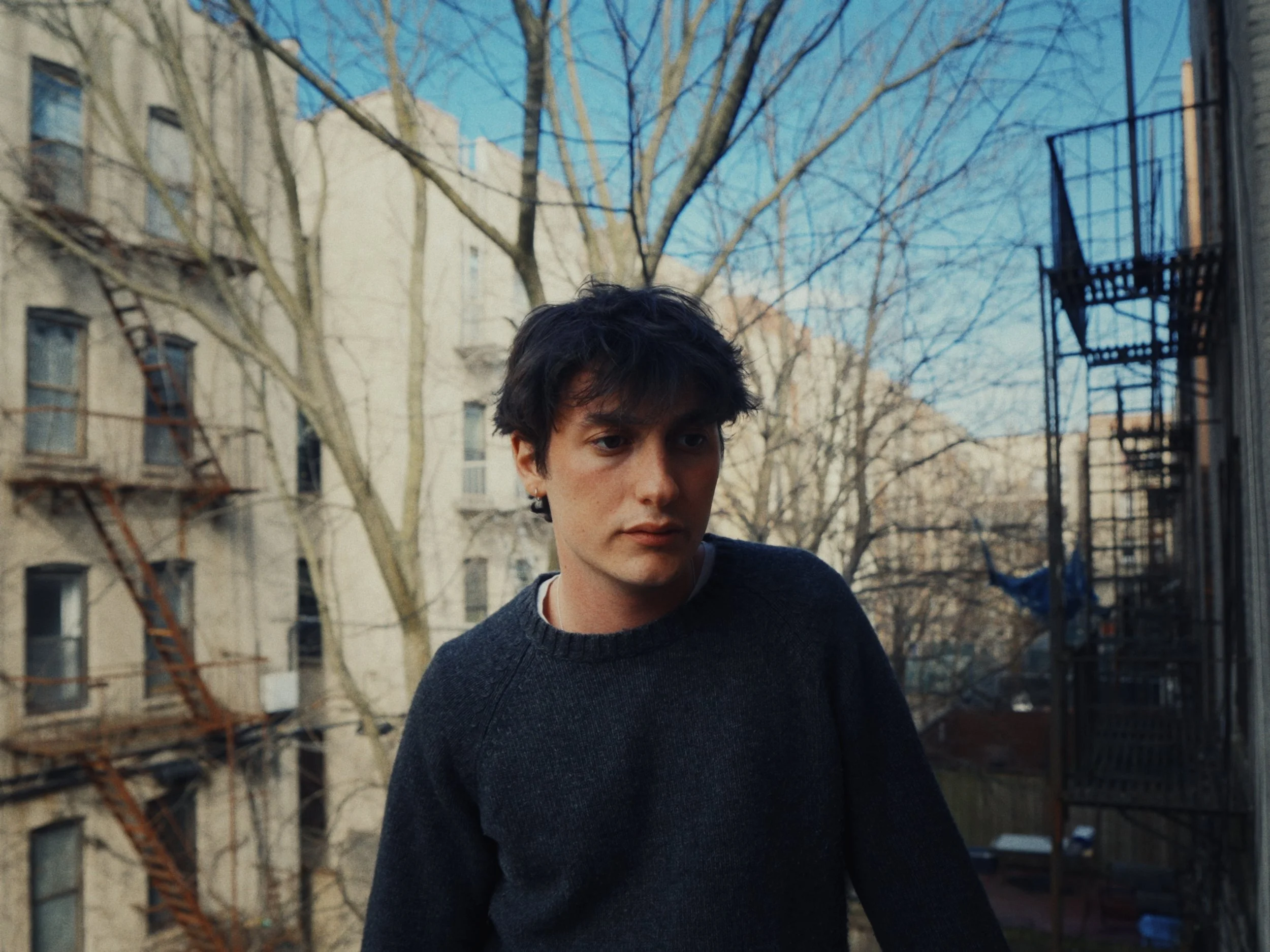
YY: Your album title is a direct translation of your birth name — why was it important for you to create such a deeply personal connection to your name and heritage?
YT: Very deep first question, I like!! I believe without my heritage I wouldn’t be a musician, and I owe this to my family. My father passed when I was a baby and he named me. Childhood wasn’t easy but it gave me an emotional grounding that I am able to channel in my art. Without that suffering I don’t know if the artist in me would’ve had the space to incubate.
You’ve spoken about your upbringing in an Orthodox Jewish community and the rebellion that followed. How did you use music as a tool to navigate that tension between your religious roots and your personal growth?
I think music is the tool I used to leave that world. No one in the community I grew up in talked of the arts as a valiant pursuit. It was strictly a hobby to add to a resume to get you into better schools and better jobs. Music was the rebellion and my way to stick it to the man (the man being all that religion takes with it I guess).
You described this album as an "ode" to your late father. How did your relationship with him shape the lyrical themes of these tracks?
Since he passed when I was a baby there’s no relationship to talk about as I have no memories of him. It’s more so all that I experienced in the void of him. No song on the record is especially about him (I hope this song will come through me soon enough) but I feel as though if he’s listening anywhere I’d like him to know this album is his too.
You mentioned that you’ve moved from pushing back against religious institutions to a place of "blessing the past." Can you think of a specific moment in your life or the writing of this album where that shift became more clear to you?
After I left high school I spent two years living in Israel as many people from my community do, however I studied in a not religious environment funny enough. The country has a very religious connotation yet the more time I spent there the more I felt comfortable not being religious. The secular world there is vibrant and allowed me to learn to love my culture in my own way without the biblical aspect. After I came home my relationship with my family was stronger as was my knowledge of self. There is no part of me that wishes to hold animosity towards my past, and I feel grateful to hold it now with only love and maturity.
How do you balance these raw, intimate folk roots in your sound with more experimental production?
I think it was a natural process of collaboration with my dear friend Harper James. He is a sonic genius and opened the doors for much of the experimental sounds on the project. I brought the songs to him as just a lad and his guitar and we knew we wanted to make them our own.
With the major milestone of a debut album behind you, what does the future of this project look like for you at this moment?
Dare I say the next record is well on its way! This record is a release in every sense of the word, I don’t really want to carry it forward as much as I hope with the next works. This album was my therapy and my first child. I’ve been playing these songs for the last two years and I feel quite ready to move on to the next.