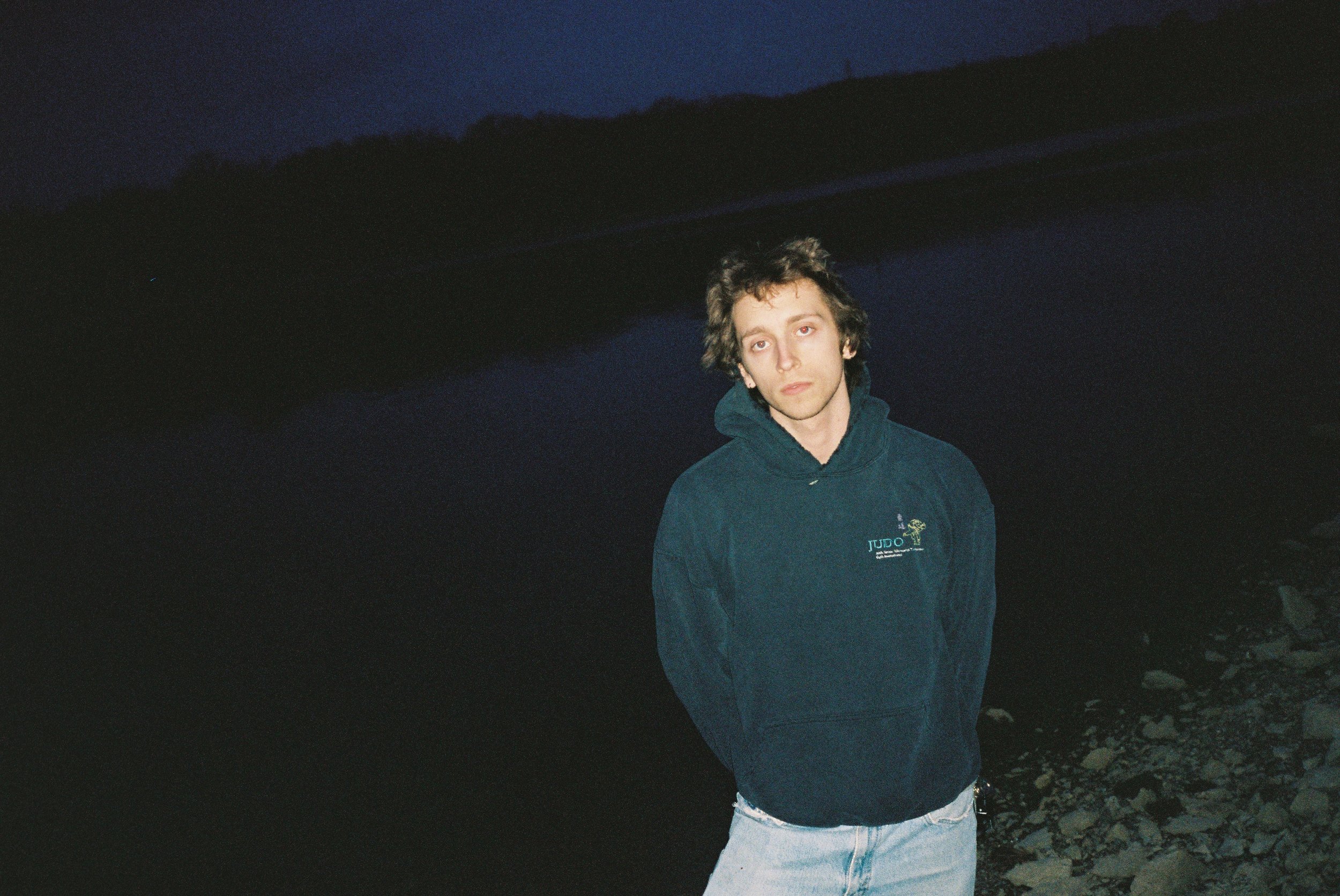
James Eichman
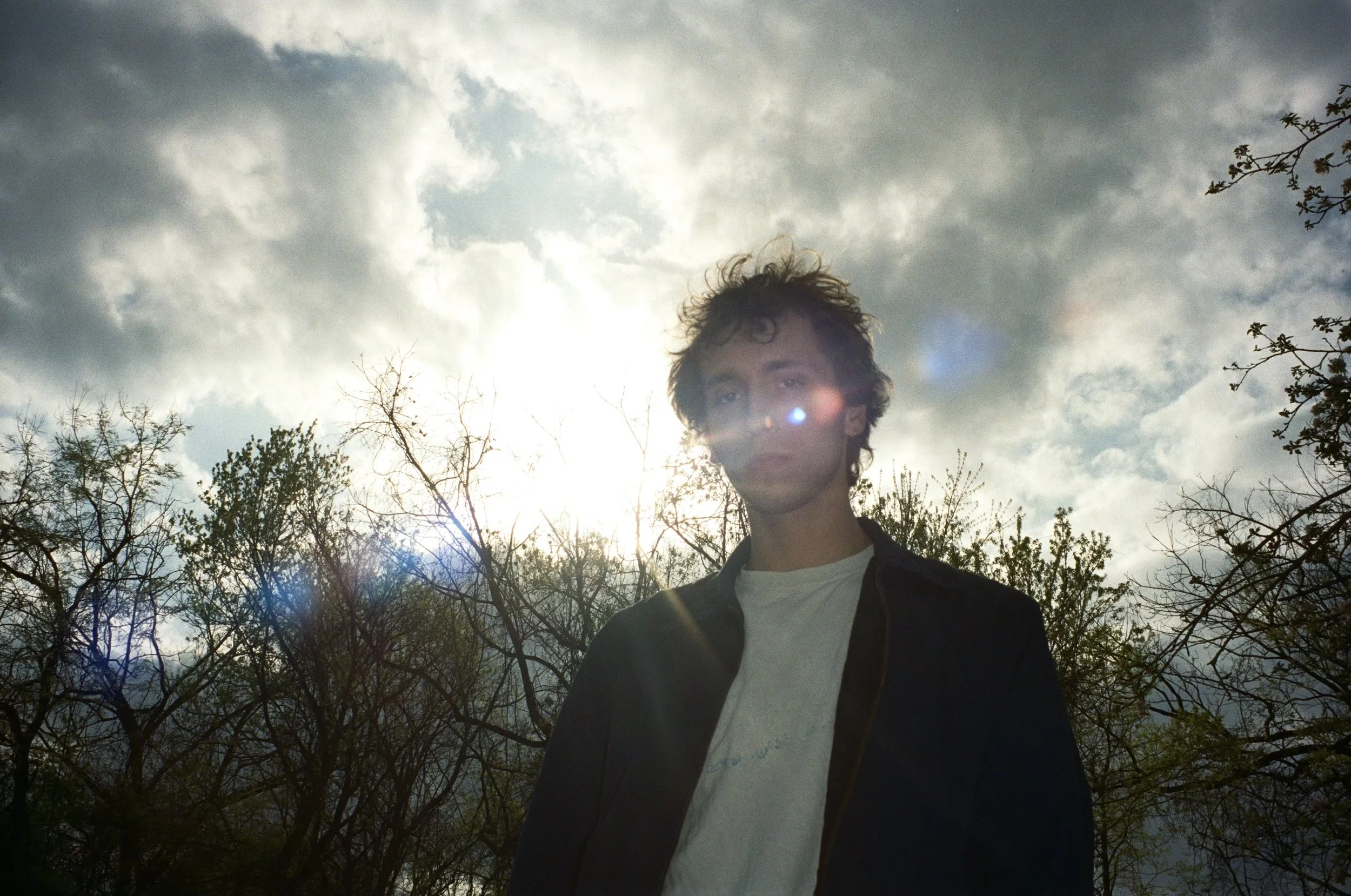
James Eichman has spent years playing guitar in other people’s bands. He’s recorded independently before, but it wasn’t until recently that his solo work became more of an artistic priority. “St. Catherine Street” is his first full-length record and the first time he’s enlisted the help of his friends for the production; to them, this debut was worth every bit of extra effort.
The album came out in August, and the release show is scheduled for Oct. 27 in his hometown of Nashville, Tennessee. In this interview, we spoke about the new record, how it was made and what you can expect from Eichman in the near future.
Listen to this interview anywhere podcasts are available.
The following transcript was generated with transcription software and reviewed for accuracy. Minor errors or omissions may remain.
YY: Your debut album came out recently, and from what I've read, you're looking forward to giving these songs a proper second life. You know, getting it in front of some new ears. And so what sort of things have you been hearing from people now that it's been out for a little bit?
JE: I’ve been lucky to have people on the internet reach out and, tell me they've connected with the songs. I mean, I guess all I can really say is like, the way that I hope people like, respond to these songs and the way that they kind of have is just feeling like they could learn something or uncover something about themselves that maybe they didn't know or something. I don't know, in the way that I write songs, I feel like often I uncover stuff about myself that I didn't know was there. And like the pictures that I try to paint. Yeah. It's like a way of processing my emotion that is different from anything else. And hopefully that could translate to people listening to the music. And I'm always delighted when people are like, "this like touched me in a way that I didn't know."
For most of your career, you've just sort of been playing in other people's bands. I know like you're about to go play with Renny Conti for a run of shows. so I'm guessing this is kind of like a little new for you to be hearing this type of stuff from people.
Yeah, absolutely. I mean, it's my first record.
Speaking of which, "St. Catherine Street" is built around this idea of a small town with a dark past, and it's a real place. And so what was it about this town, Natchez, Mississippi, that made you want to use it as the setting for your album?
It's a deeply personal place. I spent time there as a kid, but it's also, it has just a really dark history and a lot of atrocities occurred in, in Natchez in the 1800s and into the early 20th century and stuff. And, and I think it, it's always had a really interesting vibe and I feel like whenever I used to go, I could feel the dark energy that it had and it kind of to me, it's, it's the personification of like a small, oppressive place that one is desperate to leave. And I think I was employing Natchez as like this device to, to talk about my own experience, like living in Nashville. I mean, I grew up in Nashville. I've never left. And so I think I often have felt like it's too small and like, I'm like trapped there or something. And although Nashville is awesome, like I'm not talking shit on that place. Just, I guess my experience is like, that's my hometown and stuff. And, but yeah, I think Natchez is kind of just this way that I can like, explore that feeling in an indirect way, because that's kind of how I like to write about my own emotion is, is just kind of putting a layer of fiction there so that it maybe could be more accessible. Yeah.
What makes you lean toward that style of more creating characters and storytelling, over taking a more literal approach, like a lot of musicians do.
I just feel like if for some reason it, it kind of allows me to get deeper into the heart of what I'm feeling. And I just have a hard time being so direct and through writing stories and coming up with fictional characters and all that, like it. Sometimes I'm like, I don't know where the story is coming from. I don't know why I'm writing this particular thing. And then it reveals itself to me afterwards. And that's that kind of like self-discovery thing I was talking about. I'm like, oh man. Like, I didn't know that I was feeling this way, or I didn't know that this thing was so present on my mind. But if a story kind of materializes naturally, then it's almost like my subconscious revealing itself, you know? And that's just, that's a cool process for me. And so yeah, I discovered it about, I don't know, like a couple years ago, I for some reason, just started writing random characters into my stories and stuff. And that sort of unlocked something for me in my songwriting process.
There is definitely some stories associated with the recording of the album too. I read some background on the album, and there was at least a stretch of the recording timeline that was during a big winter storm that hit basically all of the eastern U.S. back in January. And you were sort of trapped for a little bit. Was there anything unique that came out of that experience of just being stuck in the studio?
Yeah, totally. It was such a crazy vibe. Like, I definitely think that played a role. We got a cool live take of "Smoking Again" when we were trapped in the house, and it just had this like, kind of foreboding vibe because it was like everything was shut down. And we just, we recorded "Smoking Again." It was just like me singing the song live. And I feel like hopefully the energy of that time was captured in that recording.
I believe this was the first time you didn't just record everything on your own with limited tools at your disposal. At least in terms of your own work, your solo recordings. Was there any effort made on this album to still preserve that sort of stripped back quality that some of your earlier work has?
For sure. I didn't want to go for a super polished sound. And I kind of, I mean, the way that I recorded it in the past was just out of necessity. Like those are the tools at my disposal. Like I didn't have any mics or anything. And so I was just kind of doing what was available. And then so yeah, but I, I think it kind of mostly just gave me more freedom to like get the sounds that I had in my head and that I, you know, like chasing the references that I had for the record. And yeah, it just kind of gave me more freedom. But yeah, the intention with working with somebody else to record it wasn't to make it like, "this is going to be a radio hit single." That wasn't the idea.
Yeah, I would guess it probably allowed you to focus on the music a little bit more, rather than having to worry about how it was exactly going to get recorded.
Totally. And like, I was recording my old shit, on my Apple earbud mic, like directly into GarageBand. And it would be like, I don't know, it was kind of like I would have to double everything and like, it kind of informed the way that those songs that I had to record them, like the sound and the choices that were made were kind of made so that it was listenable. I literally couldn't do a single vocal because without doubling the vocal, it would just sound like absolute garbage.
And probably stuff you wouldn't have realized if you hadn't started out recording that way.
Totally. I mean, it also lended itself to maybe some cool, wacky decisions and stuff because I was recording it in such a janky way. I was less precious about it and that allowed me more freedom. And with this record, I really just knew what I wanted it to sound like before I went in. It was very, what's the word, premeditated. I was, yeah, I was like, I had all these ideas and stuff. I literally had like a note on my phone where it was like, these are the instruments that we're going to put on each song. And I had demoed out a lot of the songs by myself beforehand. So the process went really quick. Jos Kuhn, who I worked with, is just a master at getting sounds and stuff. So it was just a really easy process.
That's really cool. I bet it made the approach to the whole recording process less daunting too. Like you're already ready to go.
And more fun. He's one of my great friends. And so we just had so much fun. And with Hannah too, who sings on the whole record, we were just like, when we got snowed in, it was just so much fun. We were just hanging out and like eating microwave pizza bites.
That's cool. And this is super random. I actually just published an interview with Hannah Cole on Friday.
Oh, really? That's sick.
Yeah. I was excited to learn that you guys worked so closely together. Not only did you play on her recent record and help with -- I think you helped on writing "Mechanical Bull," is that right?
Yeah, we kind of produced that song like the three of us, and yeah, her new record is so amazing and she's such a wonderful person and amazing songwriter and artist. Her voice is like my favorite ever in the world. So getting her on my album was like a dream come true.
When I was reading the credits and saw that she sang backup vocals on every song, I was like, no way. Like, I had to listen back over it.
Yeah, literally every song, I like, I started recording the record with Jos and I was like, I went over to Hannah and I was like, yo, like, I want you on this whole fucking thing. And so yeah, we worked really hard, but it was so easy and fun. Like she just, she is just the best. I don't have enough good things to say about Hannah and Jos.
That's awesome. You're a working multi-instrumentalist in the Nashville area. You seem to be in fairly high demand, at least from what I've seen. And you've worked with a lot of different artists there. With so much going on, how do you ensure that you're still dedicating enough time to your own music?
Dude. Yeah, that's been like a big thing for me in the past year. Because it's really easy for my touring schedule to become super intense just with my guitar gigs. And I love playing guitar for people and also like, I love touring and I love being in the studio and all that. And I just think it's a blessing to be able to contribute to the music that I think is dope and with my friends. And as awesome as that is, I have kind of like come to this point where it is a necessity for me to start saying no to that stuff because, you know, if stuff comes through with my solo project, it's like, it's a, this has happened before where I have to turn down some stuff for my own project because of the commitments I've already made with the guitar stuff. And it just sucks because it's just a different feeling of like finishing a show on guitar and then finishing a show when it's my songs. It feels, I don't know, I think probably classically just a bit more fulfilling because I'm like pouring my own heart out, you know? But yeah, so I definitely have had to balance it. And yeah, coming to this point where I'm like learning how to say no, because it's always hard for me because I think I have a lot of fear of like not working, you know, not having working in music in general. It's like I have this conception. It's like really hard to make it a job. And so turning stuff down is almost like, it feels counterintuitive sometimes because I'm like, isn't this what I want to do? Play music all the time?
I mean, it's got to feel good on some levels though, too, to be like, I guess, wanted enough to be turning stuff down.
Yeah. And my friends are all super supportive of my own endeavors and stuff. And it also feels, I feel lucky to, to have something that I think is worth turning other stuff down for. You know what I mean? Like, I feel grateful for that.
We mentioned the tour that you're about to go on in Renny Conti's band in Europe. You then have some future dates where you'll be playing your own music in addition to with him. How long have you actually been playing the record for audiences? Because it's been done for a few months now, right?
Yeah. We finished the record in, well, March or April, and I've been playing these songs probably about a year. I mean, I finished writing the record, like at the very end of 2025. And so I was slowly starting to sprinkle them into my set for solo shows. But dude, songs like "Rolling Summer Thunder" and "St. Catherine Street," I mean, I haven't played them live. I only, I really only have incorporated "Rolling Summer Thunder" into the set on the last tour that I did with my friend Oscar Lindsey. But yeah, I just, I feel like all these songs still feel new to me just because they haven't been like, toured to death yet. And I'm really stoked to like, see how they'll evolve and change as I play them out on the road. But yeah, it hasn't, it doesn't feel like it's been that long. I mean, the songs still feel fresh and, and like they are yet to get tired and old.
Yeah. And it'll definitely help, I'm sure, to be also playing someone else's songs. You'll be playing back-to-back sets every night.
I like doing double trouble. It's always fun because especially like opening with my music, it's fun because I can just like, when I toured with Oscar, we were playing in each other's bands and so I would like finish my set and then it would just for the rest of the night would just be like fun party time because I just could like rock out with Oscar. And I wasn't so stressed out about like how my voice sounded and everything. So it's definitely like playing guitar is just so much less stress. I have a lot more experience with it and yeah, I just have more experience. So double trouble is fun in that way.
Yeah. Good. And I read somewhere that you were maybe planning on doing I guess like a little headline run or something, maybe a little later in the fall.
I don't have any headline tour stuff confirmed, but doing a release show in Nashville and that's I think that's about it for my headline stuff this year. But yeah, the release show's October 27th at the American Legion Post 82. I'm just going to plug that right in, and it should be fun. We're gonna get everybody who played on the record to come join me and my band. So it's going to be sick. And but yeah, I'm sure. I mean, I'll do headline stuff next year for sure. I think I think next year will hopefully be pretty busy with, with the touring stuff. So.
We just talked a little bit about balancing solo work, helping others with their projects. Now that you have the milestone of album one under your belt, how do you see that balance continue to shift as you move forward? Are you thinking of pulling more toward the solo side of things or...
Yeah, I mean, I think I, I definitely am at this point where I'm making intentional space to do the solo stuff. And I mean, the easy answer is I'm not sure what it'll look like, but I don't know. I think there's always room like there's, there's balance to be had, you know, because I'm, I won't say that, like, I'm gonna quit all my guitar gigs and just do solo stuff. And I also won't say that it'll look like it has for me going forward. Like, I think it'll definitely change. But yeah, we'll just, I guess we'll kind of see, you know, like, but I definitely am. I'm ready and, and eager to kind of tour these songs until they're tired and I feel like making a new record. I'm not sure. It'll definitely be an ongoing process of how to balance stuff.