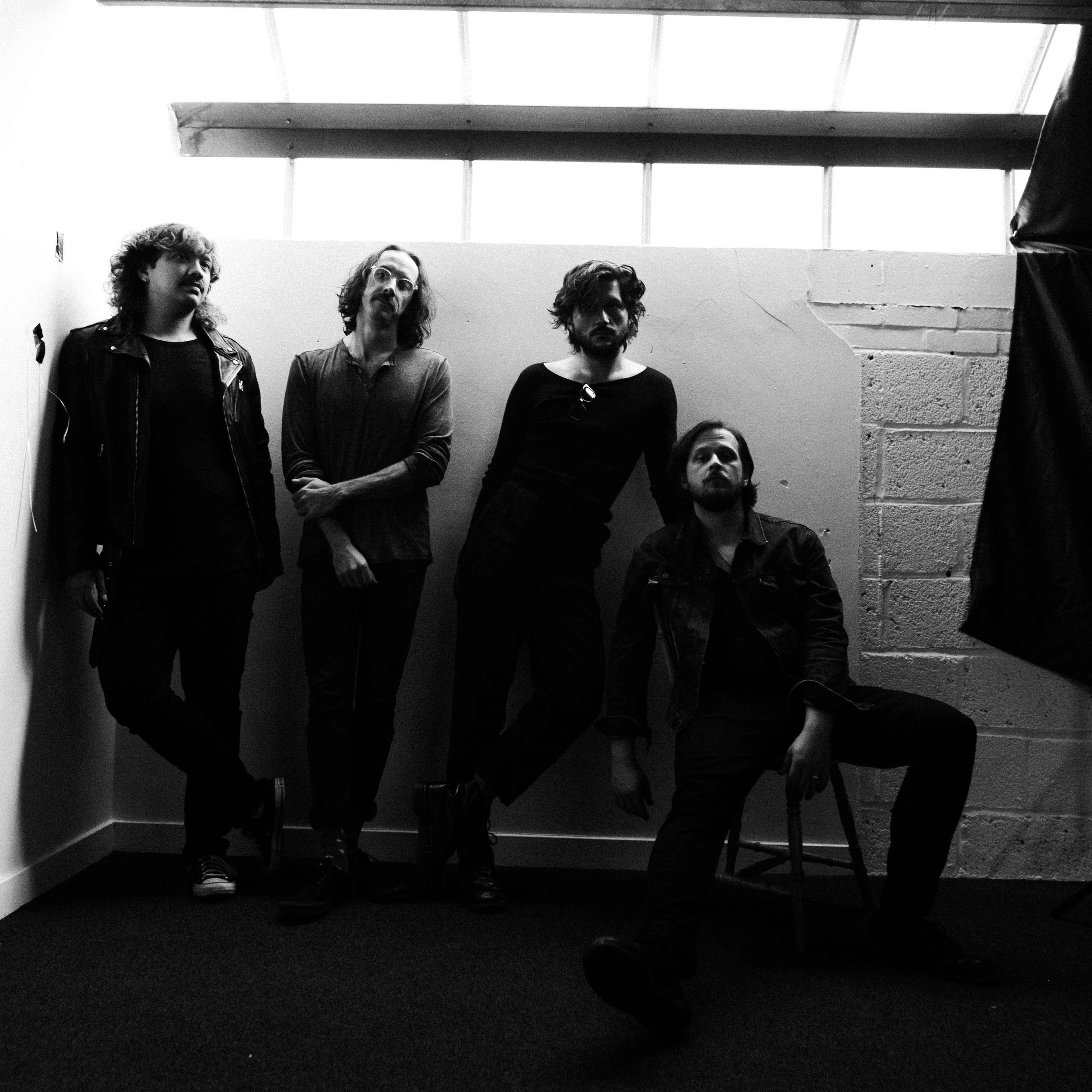
Hotel Mira
Forever a part of the human experience, storytelling comes in many different forms, and Hotel Mira’s Charlie Kerr is a firm believer that there is more than one right way to tell a story. An actor, playwright and songwriter, Kerr is constantly drawing from his diverse artistic background to craft each new story.
2025 was a big year for the Canadian band — their latest album, “Pity Party,” came out in March, followed soon by “After Party,” the accompanying EP. In December, Hotel Mira wrapped a lengthy tour, playing to fans across North America and selling out several shows.
With much more on the horizon, Kerr recently took the time to craft these thoughtful responses to my questions.
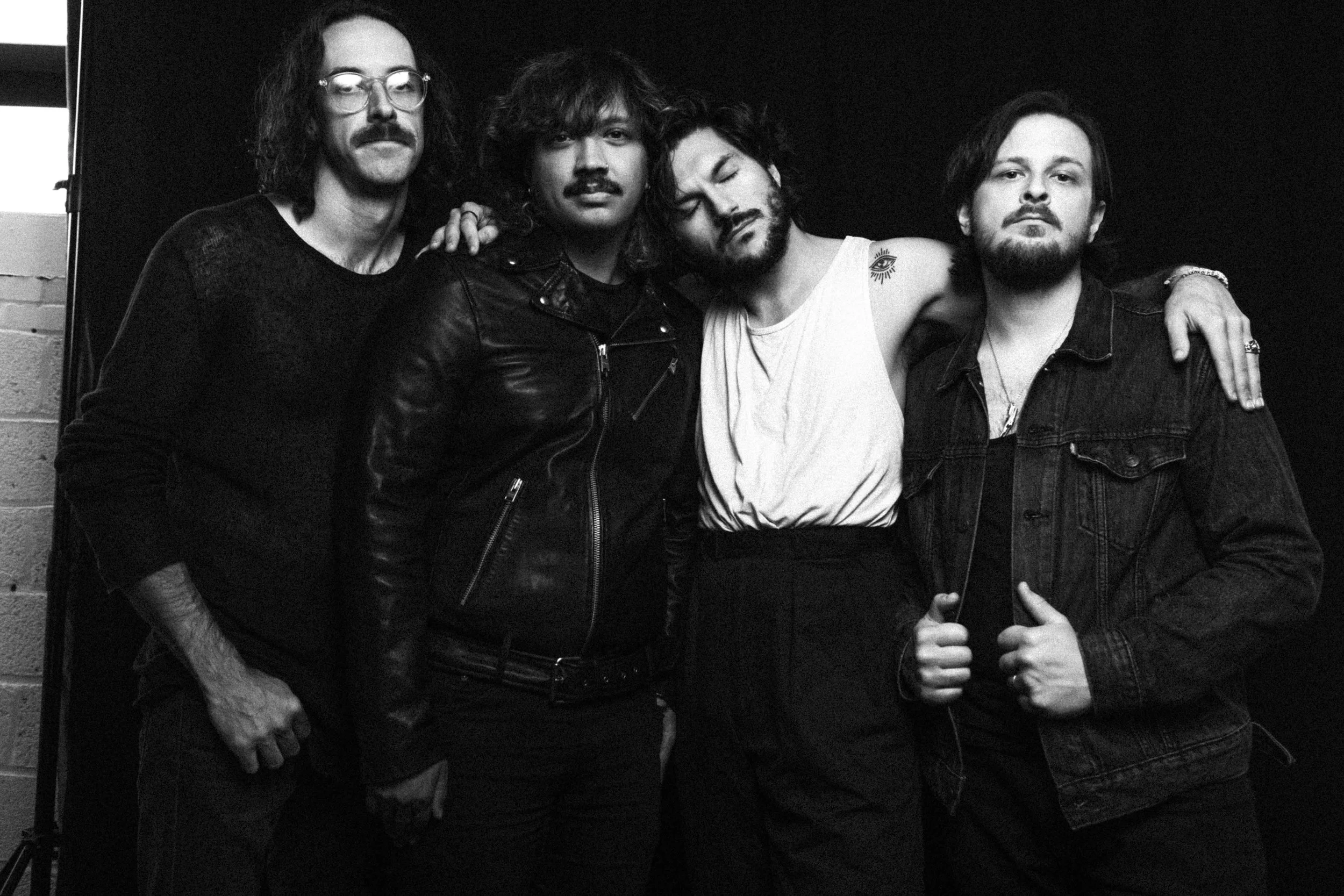
YY: You’ve mentioned the contrast between joy and despair on “Pity Party.” How do you think the band’s subsequent touring has affected this original understanding of the album's core concept?
CK: Touring really clarified how deeply connected those two ideas are. The catharsis of expressing despair has actually brought people a lot of joy, and seeing that play out live made that connection undeniable.
At the same time, there’s an existential tension that comes with having so much fun while difficult things continue to unfold in the world — it raises questions about whether that joy is ethically appropriate. What touring ultimately reinforced for me is that what we do isn’t pure escapism; it exists in conversation with reality, not apart from it.
“Pity Party” yielded several top ten singles on Canada’s alt-rock charts. Were any songs embraced by fans live more quickly than you initially expected?
Definitely. “Cowboy” immediately felt like we’d written it ten years ago — it became a staple of the set almost instantly, with everyone singing along. The same thing happened with “Regarding Valentine’s Day” and “Making Progress.” It didn’t take long at all for those songs to feel like moments the audience was actively waiting for during the show.
I understand the “After Party” EP was compiled using both leftover and new songs. How did the creative process for this EP differ from making the initial album, and how did you decide which songs to keep on the album versus which to save for later?
The process for “After Party” was really fun and energizing. After finishing a UK headlining tour, I stuck around and wrote with people over there, and those sessions felt immediately right — three of those songs ended up on the EP. Everything I do artistically comes down to gut instinct, and songs like “The Ocean” just felt right for this chapter.
“Regarding Valentine’s Day” is a special case — we’d been trying to turn it into a full band song for about six years. It started as a simple, wordy acoustic fan favorite, and the pressure of giving it a framework and deadline for “After Party” finally pushed us to crack it as a band. Digging up something that old and breathing new life into it was one of the most rewarding parts of making the EP.
How does your background as an actor and playwright help shape the band’s live presence?
To me, playing a Hotel Mira show feels a lot like performing a play. The lyrics are the script, and the audience is my scene partner. Every night I try to keep things as spontaneous and organic as possible within that structure, which is very similar to acting.
Playwriting also shaped how I think about storytelling — setups, punchlines, and three-act structure all find their way into the lyrics. I think being a fan of those mediums adds a richness to what we do live, even if I’m not consciously aware of every influence in the moment.
In a recent interview, you described yourself as “reluctantly political,” feeling the need to comment on current events and provide listeners with some hope while still staying focused on the music. Since wrapping your North American tour, in what ways would you say the band has achieved this goal?
For me, it’s just become part of the responsibility. If you look at the artists I admire, they reflected the times they were living in. Right now, new laws and policies are making life harder and scarier for marginalized communities, and staying neutral in that environment — especially when those people are your audience — feels morally bankrupt.
I don’t see myself as especially qualified or articulate on politics, which is why I call it “reluctant.” But empathy doesn’t require expertise. On stage, I’ll say things like “we love gay people,” “we love trans people,” “we love immigrants,” and that moment of collective affirmation can create safety for people who may not experience that elsewhere. If I’m taking people’s money and benefiting from their support, I feel a responsibility to stand with them.
What key lessons have you learned over the years from touring with well-established bands that have helped you successfully transition to headlining larger sold-out shows, like those in Los Angeles, New York and Denver?
One very specific lesson came from our first arena show opening for Billy Talent. Someone from a big band called me an hour before we went on and told me to exaggerate my movements and play to the back row — if you perform like it’s a club show, the people in the nosebleeds will disconnect. That advice changed everything.
Beyond that, you learn so much just by watching — seeing what works and figuring out your own version of it. And the biggest takeaway is simple: be kind, show up on time, be true to your word. You meet the same people on the way up as on the way down. Accountability and decency really are the north star.
After the band’s UK leg early next year, what are your goals for the future of Hotel Mira?
For me, the goal is really just to keep doing what we’ve been doing, but on a larger and more sustainable scale — writing better songs and putting on better shows. That mindset comes directly from my mentor, Al MacInnes, who’s been a huge influence on my life and career.
I met Al when I was 11. I randomly asked my dad for a guitar, and the next day he had me in lessons with this guy a friend had recommended. Al immediately saw how passionate I was and encouraged me not just to play, but to start a band and write my own songs. He even let me open for his band when I was a kid, playing Beatles covers — that was my first real job in entertainment.
What Al taught me early on was that being part of a band isn’t just about music — it’s about community, problem-solving, honesty and redefining what success looks like. He always emphasized that if you focus on improving the songs and the live show, everything else tends to fall into place. That philosophy still guides me now.
So looking ahead, I just want the band to continue growing in a way that lasts — touring more sustainably, reaching people who might really need to hear the music, and staying grounded in the same values that got me into this in the first place.